Who pays for the utilities and lawn care while the home is in probate? (A great practical piece for out-of-state executors)

Who pays for the utilities and lawn care while the home is in probate? During probate, ongoing property expenses like utilities, lawn care, and maintenance are initially paid using funds from the estate's bank account, managed by the executor or personal representative.
Taking on the role of an executor for a family member’s estate is a major responsibility—and it becomes doubly challenging if you live out of state. When an inherited property sits vacant during the probate process, bills do not pause. Power, water, gas, insurance, and lawn maintenance continue to pile up.
If you are trying to navigate this process from hundreds of miles away in the Greater Knoxville area, managing these day-to-day carrying costs can feel overwhelming. Understanding how these expenses are handled, who is ultimately responsible, and how to streamline the process can save you both money and stress when you need to sell home assets out of an estate.
Here is a practical guide for out-of-state executors managing property maintenance and utility costs during probate in Knox County and surrounding East Tennessee communities.
1. Where Does the Money Come From to Pay Utilities and Maintenance?
The short answer is that the estate pays for its own expenses.
When a person passes away, their assets—including checking accounts, savings, and investments—are frozen into an estate account once a personal representative is officially appointed by the probate court. As the executor, you are legally empowered to use these estate funds to pay for ongoing property preservation costs, including:
- Electric, water, and gas bills to keep the home functional and prevent weather damage (such as frozen pipes).
- Lawn care, landscaping, and exterior upkeep to maintain curb appeal and comply with local municipal codes.
- Homeowner’s insurance policies tailored for vacant properties.
- Routine security checks and minor maintenance repairs.
You should never use your personal credit card or bank account to pay these bills long-term without keeping meticulous records. Every dollar spent from your own pocket must be tracked as an "executor advance" so you can be reimbursed later from the estate proceeds.
2. The Unique Challenge for Out-of-State Executors
Managing a property from out of state—whether you live in Atlanta, Chicago, or across the country—adds layers of friction to standard estate tasks.
If a house is located in Knoxville, Farragut, or Maryville, you cannot simply drive over to check if a windstorm knocked down a tree branch or if the lawn has grown past city compliance limits. Neglecting exterior upkeep can lead to municipal fines, code enforcement liens, or an invitation for vandalism.
Furthermore, leaving utilities completely shut off during humid East Tennessee summers or freezing winter snaps can cause severe damage to the home's structure and plumbing. Maintaining basic climate control is a vital preservation duty.
3. How to Coordinate Property Upkeep Remotely
To protect the estate's value and minimize holding costs while navigating Knox County probate timelines, take a systematic approach:
Establish an Estate Checking Account Early
Work with your probate attorney to open an estate bank account as quickly as possible. Have automatic bill payments set up for utilities so you never risk a service shutoff or frozen account alerts.
Hire Local Property Maintenance Vendors
Find reliable local contractors, landscapers, and cleaning services who can handle bi-weekly lawn mowing and exterior checks. Having eyes on the property regularly ensures small issues do not turn into costly structural emergencies.
Partner with an Experienced Local Real Estate Advisor
An on-the-ground professional can act as your surrogate eyes and ears. Experienced local agents often coordinate vendor access, oversee minor cleanups, and manage property security while the legal probate steps move forward.
4. Minimizing Holding Costs by Planning the Sale Early
The longer a home sits in probate, the more money bleeds out through monthly utility bills, property taxes, insurance premiums, and lawn care fees.
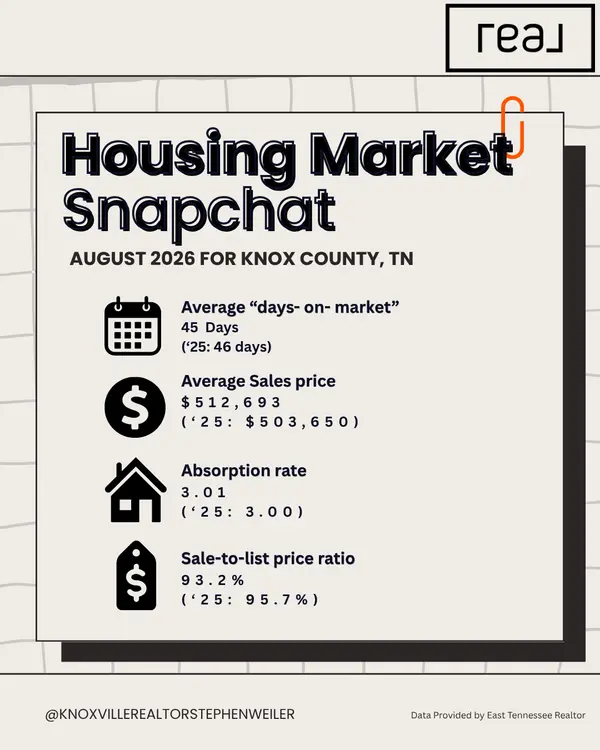
In the Greater Knoxville real estate market, where homes average around 45 days on the market once officially listed, minimizing pre-listing delay is critical. Executors can often work with specialized real estate professionals to prepare listing paperwork, gather contractor bids, and map out marketing strategies while the probate petition works its way through the court system. This allows you to launch the property onto the market immediately upon receiving legal clearance, drastically cutting down on vacant holding costs.
5. Navigating Probate Sales with Trusted Local Guidance
Handling an estate sale across state lines requires a delicate balance of legal compliance, logistical coordination, and empathetic support. You do not have to manage contractor schedules, utility transfers, and market positioning all by yourself.
As a Seniors Real Estate Specialist (SRES) and Pricing Strategy Advisor (PSA) serving Knoxville, Farragut, Lenoir City, and the surrounding East Tennessee region, Stephen Weiler helps out-of-state executors streamline the entire process. From coordinating local property oversight to executing a seamless home sale, having a trusted local expert ensures the estate is protected every step of the way.
Note: Probate laws, timelines, and executor responsibilities vary. Always consult with a qualified probate or estate attorney regarding specific legal obligations in Tennessee.
Ready to Simplify Your Estate Sale?
If you are managing an out-of-state estate in the Greater Knoxville area and want to minimize holding costs while preparing to sell home assets efficiently, reach out to Stephen Weiler of Real Broker today at 865-440-5757. Let’s discuss how we can take the operational burden off your shoulders.
Categories
Recent Posts