
What Are the Risks of Buying a Home "As-Is" from an Estate?

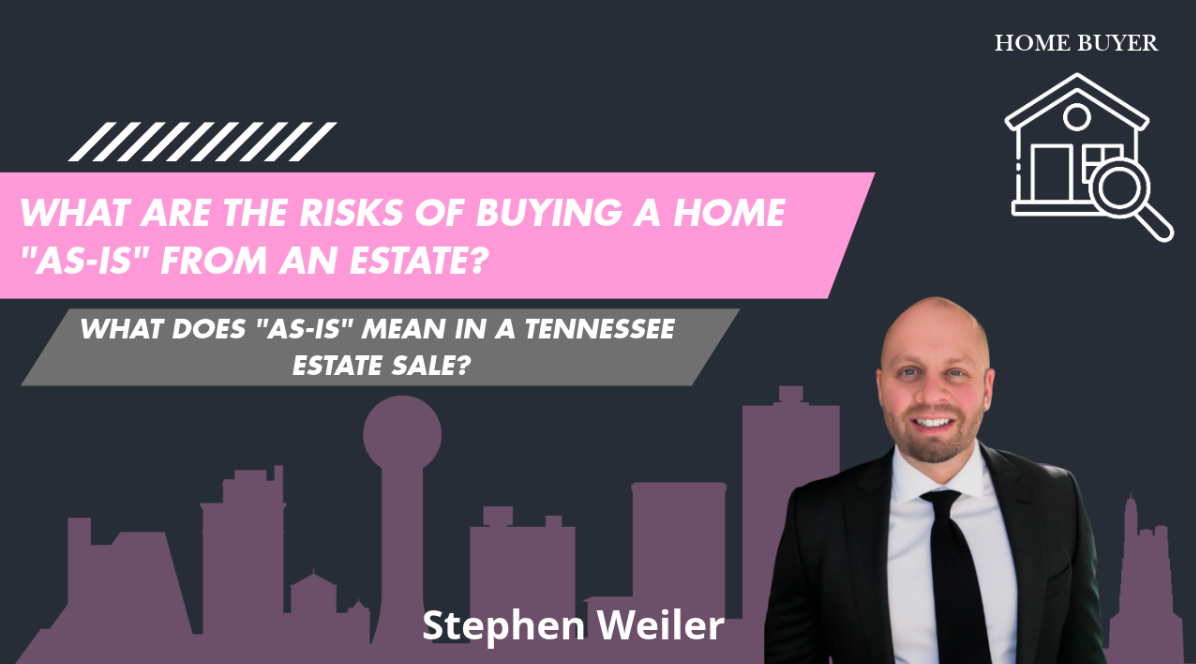
What are the risks of buying a home "as-is" from an estate?
Buying a home "as-is" from an estate carries financial and structural risks because estate representatives (executors or personal representatives) are usually exempt from completing traditional Tennessee Seller Disclosure forms. This means buyers inherit all unstated defects, hidden repairs, and potential title complications without warranty from the seller. Partnering with a skilled local real estate expert like Stephen Weiler helps you conduct thorough due diligence, structure defensive contract contingencies, and mitigate costly surprises in the Greater Knoxville Area real estate market.
When searching for real estate opportunities in East Tennessee, estate sales often stand out. You might see a spacious property in West Knoxville, a mid-century home in Bearden, or a charming rancher in Fountain City listed at an attractive price point. Often, these properties are sold by an estate, an executor, or an administrator who inherited the responsibility of liquidating real property.
However, almost every estate transaction comes with a major condition: the property is sold "as-is."
If you are evaluating whether to buy or sell home properties through an estate in the Greater Knoxville Area, you need to understand what "as-is" truly means under Tennessee law. Specifically, you must recognize how the absence of standard residential seller disclosures shifts financial risk directly onto the buyer.
What Does "As-Is" Mean in a Tennessee Estate Sale?
In Tennessee real estate transactions, selling a home "as-is" means the seller conveys the property in its current physical condition. The seller makes no promises or guarantees regarding the state of the home, its systems, or its structural integrity.
│ STANDARD TENNESSEE SALE │
│ • Owner lived in property │
│ • Full Residential Property Disclosure Form required │
│ • Owner documents known defects (roof, HVAC, plumbing) │
VS.
│ ESTATE / "AS-IS" SALE │
│ • Executor/Personal Representative liquidates property │
│ • Statutory Exemption from Tennessee Disclosure Form │
│ • Buyer assumes total liability for unknown defects │
When an estate sells a home, the person signing the closing paperwork is typically an executor, personal representative, or trustee. In most cases, this individual never lived in the property. They may reside in another city or state and have little to no first-hand knowledge about the home’s maintenance history or hidden flaws.
The Disclosure Legal Exemption: Why Estate Sales Differ
Under the Tennessee Residential Property Disclosure Act (T.C.A. § 66-5-201 et seq.), most residential property sellers must complete a detailed disclosure form. This form requires owners to disclose known material defects—such as past roof leaks, foundation settling, mold issues, or aging HVAC systems.
However, Tennessee law specifically exempts certain fiduciaries from completing this disclosure.
Common Exemptions Under Tennessee Law:
-
Executors or Administrators: Individuals appointed by probate court to handle a deceased person's estate.
-
Trustees: Fiduciaries managing property held within a living trust or testamentary trust.
-
Court-Ordered Sales: Properties sold under court order, conservatorship, or foreclosure.
Because the estate representative is legally exempt from filling out the Tennessee Residential Property Condition Disclosure, buyers usually receive an Estate Disclaimer or Exemption Notice.
This document explicitly states that the seller has not resided in the home and makes no representation regarding its physical condition. As a buyer, you step into the transaction without the historical protection standard disclosures provide.
Major Risks of Buying an Estate Home "As-Is"
Skipping the traditional disclosure process introduces several potential financial and physical risks. Stephen Weiler frequently highlights these key risk factors to buyers and estate representatives across Knox, Blount, and Loudon counties:
1. Undiscovered Structural and Deferred Maintenance Issues
Estate homes often belong to long-term owners who may have lived in the home for 30, 40, or 50 years. In the owner's later years, routine home maintenance often gets deferred.
-
Roofing and Attic Flashing: Undetected leaks behind drywall that lead to wood rot or mold growth.
-
Foundations in East Tennessee Clay: Knoxville's soil composition leads to foundation shifts. Unchecked settling can cause foundation cracks, water intrusion, or bowing basement walls.
-
Outdated Building Systems: Knob-and-tube wiring, polybutylene plumbing pipes, or original cast-iron sewer lines that require full replacement.
2. Lack of Repair History and Warranty Records
When buying a typical home in Farragut or South Knoxville, the seller often provides utility bills, service contracts, septic pumping receipts, or warranty documentation for major appliances. In an estate sale, those documents are often misplaced or unavailable. You must budget for immediate system checks without knowing when the HVAC was last serviced or how old the hot water heater is.
3. Title Complications and Probate Delays
Estate properties must pass through the proper legal channels before clear title can be conveyed.
-
Unresolved Heirs: If multiple heirs are involved and disagree on the sale terms, contract approvals can stall.
-
Creditor Claims: Under Tennessee probate law, creditors have a specific window to file claims against the estate. If a lien or claim attaches to the real property, closing can be delayed until title clearance occurs.
-
Missing Letters Testamentary: The seller must have court-issued authority (Letters Testamentary or Letters of Administration) to sign binding sales contracts.
4. Environmental and Zoning Liabilities
Older properties in established Knoxville neighborhoods (such as Holston Hills or Sequoyah Hills) may contain buried oil tanks, lead-based paint, or asbestos insulation. Estate sellers are rarely aware of these legacy issues, leaving the buyer responsible for remediation costs after closing.
Risk Mitigation Matrix: "As-Is" Estate Purchases
Navigating an "as-is" purchase requires proactive safeguards. Below is a practical guide Stephen Weiler uses to protect buyers during the purchase process:
Risk Area |
Potential Cost / Impact |
Recommended Mitigation Strategy |
Major Mechanical Failure |
$5,000 – $18,000+ (HVAC, Roof, Plumbing) |
Include a specialized Home Inspection Contingency with licensed trade inspections (plumbing scope, HVAC tech). |
Structural / Foundation Settlement |
$10,000 – $35,000+ |
Hire a licensed Structural Engineer if cracks or sloping floors are detected during initial walkthrough. |
Septic / Sewer Line Defects |
$3,000 – $15,000 |
Conduct a main sewer line camera scope and locate/inspect the septic tank and drain field before contingency deadlines. |
Title Liens or Estate Disputes |
Contract Delays / Clouded Title |
Work with a reputable local Knoxville title company to perform a thorough title search early in the transaction. |
How to Safely Buy an "As-Is" Estate Property
Buying an estate home "as-is" does not mean buying blindly. You can protect your financial interests by following a structured strategy:
1. Never Waive Your Inspection Contingency
While some competitive markets pressure buyers to waive inspections, doing so on an "as-is" estate home exposes you to extreme risk. Ensure your purchase agreement includes a clear right to perform comprehensive property inspections.
2. Schedule Specialized Inspections
A standard home inspector provides an excellent general overview, but estate properties often require specialized assessments:
-
Sewer Scope Inspection: Checks for tree root intrusion or collapsed clay pipes common in older Knoxville neighborhoods.
-
Radon Testing: Recommended across East Tennessee due to local geological formations.
-
Mold and Environmental Testing: Essential if the property sat vacant or unconditioned for months.
3. Review the Seller's Exemption Form Carefully
Even though estate representatives are exempt from standard disclosures, they cannot legally lie about known material defects. If the executor does know about a major issue (such as a flooded basement), they must be honest if directly asked. Stephen Weiler helps buyers draft precise inquiries to clarify known property conditions.
4. Secure a Comprehensive Title Policy
Ensure your closing includes a owner's title insurance policy. This guards against undiscovered heirs, unrecorded liens, or probate errors that surface after the purchase completes.
Guidance for Estate Representatives Selling "As-Is" in Knoxville
If you are an executor tasked with selling a home from an estate in the Greater Knoxville Area, selling "as-is" offers significant benefits, but it requires proper handling:
-
Price Accurately for Market Conditions: "As-is" homes draw strong interest from cash buyers and investors, but pricing too high can cause the property to sit on the market. Stephen Weiler provides accurate Comparative Market Analyses (CMAs) to help estates set realistic listing prices based on neighborhood comps.
-
Prepare the Property for Sale: Even "as-is" homes benefit from basic lawn care, trash removal, and professional cleaning. Improving curb appeal helps maximize estate returns without spending money on costly renovations.
-
Work with Experienced Local Professionals: Partnering with real estate advisors who understand local probate timelines, Knox County recording requirements, and market trends ensures the transaction moves smoothly from listing to closing.
Partner with Stephen Weiler for Knoxville Real Estate Success
Whether you are an investor looking for your next project, a homebuyer considering an estate home, or an executor responsible for liquidating local real estate, having expert guidance is essential.
Stephen Weiler brings extensive knowledge of the Greater Knoxville Area market, offering straightforward advice, thorough market research, and dedicated client representation. From evaluating structural risks to negotiating defensive contract terms, Stephen Weiler helps you make confident, informed real estate decisions.
Disclaimer: Real estate professionals provide market analysis and contractual guidance. For formal legal advice regarding probate, estate administration, or tax implications in Tennessee, please consult a qualified estate planning attorney or certified tax professional.
Ready to buy or sell a home in Knoxville, Farragut, or surrounding East Tennessee communities? Contact Stephen Weiler of Real Broker at 865-440-5757 today for personalized real estate assistance tailored to your unique goals.
Categories
Recent Posts

Can I Use Child Support/Alimony to Qualify for a New Mortgage?
Does a Quitclaim Deed Remove Me From Mortgage Responsibility?

Can I customize a new build to be "age-in-place" friendly (wider doorways, no stairs)?
What happens if there are multiple heirs and we don’t all agree on the sale price?

Can I Sell My Knox County Home While Living Out of State?

Who can help me organize and "rightsize" my belongings before I list my home?

Is It Worth It to Hire Stephen Weiler to Sell My Knox County Home?
Who Pays the Mortgage During the Separation Period?
Does Every Estate in Tennessee Have to Go Through Probate Before a Sale?