
Should I Sell My Large Home First or Find the Small One First?


Should I sell my large home first or find the small one first?
To choose whether to sell or buy first when downsizing, weigh your financial flexibility against your tolerance for temporary living arrangements. Selling first eliminates financial uncertainty and prevents holding two mortgages, while buying first ensures a smooth, single move without pressure. Partnering with a skilled local REALTOR® like Stephen Weiler helps you evaluate current inventory, structure protective contingencies, and execute the strategy that best fits your goals.
Downsizing to a more manageable living space is a major milestone. Whether you are aiming to simplify maintenance, reduce home utility expenses, or transition into a quieter season of life, deciding how to orchestrate the move can feel daunting.
When you plan to sell home assets in favor of a smaller property, you face a classic real estate dilemma: Should you sell your large home first, or buy your next home before putting your current house on the market?
Both strategies offer distinct advantages and trade-offs. The right choice depends on your financial situation, market conditions across the Greater Knoxville Area, and your personal timeline.
Below, we examine both approaches, review strategies to protect your equity, and explain how expert local guidance keeps your transition seamless.
Strategy #1: Selling Your Large Home First
For many homeowners across East Tennessee, selling the larger property before purchasing the smaller home is the most financially conservative path.
[ Sell First Strategy ]
| 1. List and Sell Home |
| 2. Realize Equity & Cash |
| 3. Shop for Smaller Home |
| 4. Close & Move In |
Advantages of Selling First
-
Financial Certainty: You know exactly how much net proceeds you have after closing costs, making your budget clear for your next purchase.
-
No Double Mortgages: You avoid paying two mortgages, property taxes, and insurance policies simultaneously.
-
Stronger Buyer Position: Once your larger home is sold (or under contract with cash in hand), your offer on a smaller home is non-contingent, making it more attractive to sellers.
Drawbacks of Selling First
-
Temporary Housing Needs: If you sell before finding a new home, you may need to rent temporarily, store furniture, or move twice.
-
Pressure to Buy Quickly: You might feel rushed to purchase a smaller home to avoid long-term short-term rentals.
Market Context in Greater Knoxville
In stable or balanced markets—such as West Knoxville, Farragut, or Maryville—homes priced accurately move within standard timeframes, but inventory for smaller single-story homes or low-maintenance townhomes remains tight.
According to East Tennessee Realtors MLS data, median single-family home prices across the Greater Knoxville region hold steady around $385,000 to $425,000, with average time on market sitting between 25 and 45 days. Selling first allows you to capitalize on your property’s equity without taking on debt before you find the right smaller property.
Strategy #2: Finding and Buying Your Smaller Home First
If comfort, convenience, and a single move are your top priorities, purchasing your new home before selling your current one may be appealing.
[ Buy First Strategy ]
| 1. Shop & Secure New Home |
| 2. Close & Move Belongs |
| 3. Prep & List Large Home |
| 4. Sell & Close Large Home |
Advantages of Buying First
-
Zero Housing Rush: You can shop patiently until you find a property that checks every box, such as main-level living or low HOA maintenance.
-
Seamless Moving Experience: You move directly from your large home into your new home without temporary housing or storage units.
-
Easier Home Preparation: Once your belongings are moved, staging and showing your larger home is much easier and less disruptive to your daily routine.
Drawbacks of Buying First
-
Financial Strain: Carrying two mortgages or draining reserves to finance a purchase can create financial stress.
-
Market Timing Risk: If market activity slows down while your larger home is listed, your holding costs can add up quickly.
Comparing Your Options: Quick Decision Matrix
To help determine which route aligns best with your situation, review this comparison:
Factor |
Selling First |
Buying First |
Financial Risk |
Low (Exact budget is known) |
Moderate to High (Carrying two homes) |
Moving Convenience |
Moderate (May require temporary housing) |
High (Direct move) |
Offer Strength |
High (Non-contingent cash/financed offer) |
Low to Moderate (Often requires home sale contingency) |
Stress Point |
Finding temporary housing / shopping under time limits |
Managing dual carrying costs |
Best For |
Budget-conscious movers, high-equity owners wanting certainty |
Flexible financing, non-contingent liquidity |
Hybrid Solutions: Bridging the Gap
You do not always have to choose an extreme. Experienced real estate professionals use creative transaction strategies to bridge the gap between selling and buying.
1. Home Sale Contingency Clause
You write an offer on a smaller home that is contingent upon selling your current large home. While some sellers in hot pockets like Bearden or Oak Ridge may prefer non-contingent offers, a well-crafted contingency with a realistic timeline can work in balanced market conditions.
2. Seller Lease-Back Agreement (Post-Closing Occupancy)
You sell your large home, close the transaction, and receive your proceeds. However, you lease the home back from the buyer for 30 to 60 days. This gives you immediate cash and extra time to locate and close on your smaller home without moving twice.
3. Bridge Financing or HELOC Options
If you have substantial home equity in your current property, financial options like a Bridge Loan or Home Equity Line of Credit (HELOC) allow you to unlock equity for a down payment on the new home before your current home sells.
Professional Advice Note: Financial, tax, and legal implications vary significantly based on individual circumstances. Always consult with a qualified mortgage lender, CPA, or estate attorney before securing bridge financing or signing complex contingency agreements.
Strategic Steps for Downsizing Success in East Tennessee
Regardless of which option you select, taking structured steps ensures a smooth process:
-
Obtain an Accurate Home Valuation: Before making plans, determine the true market value of your property. Relying on automated online estimates can mislead your budget. A professional Comparative Market Analysis (CMA) provides accurate net expectations.
-
Declutter and Prep Early: Larger homes accumulate decades of belongings. Start decluttering, donating, and organizing room-by-room long before putting your home on the market.
-
Analyze Local Inventory First: Review active listings in target areas like Powell, Karns, Lenoir City, or Downtown Knoxville. Understanding what smaller homes, condos, or main-level living spaces cost will clarify your timeline.
-
Partner with a Downsizing Specialist: Work with an agent who understands both the logistical hurdles of downsizing and the nuances of the local market.
Why Local Expertise Matters
Navigating real estate transitions requires clear strategy and local market knowledge. Stephen Weiler, a trusted REALTOR® with Real Broker in Knoxville, specializes in helping homeowners navigate complex real estate moves.
Holding advanced designations, including the Seniors Real Estate Specialist (SRES®) and Pricing Strategy Advisor (PSA®), Stephen offers customized guidance tailored to your specific financial and lifestyle goals.
From evaluating local market trends across Knox, Blount, and Loudon counties to structuring protective lease-back agreements or contingent offers, Stephen Weiler provides clear, client-focused representation every step of the way.
Frequently Asked Questions
What happens if I find my ideal small home before listing my large home?
If you find the right property early, you can submit an offer with a home sale contingency, secure bridge financing, or request an extended closing period to allow time to list and market your current home.
How long does it take to sell a large home in the Greater Knoxville Area?
While timelines vary by neighborhood and price point, well-priced homes across Knoxville typically receive contract offers within 20 to 45 days. Proper preparation, staging, and strategic pricing are essential for a quick sale.
Can I sell my home "as-is" to speed up the downsizing process?
Yes. Selling as-is or exploring cash offer avenues can streamline your transition if you prefer to skip repairs and showings. A local agent can present both traditional market listings and direct cash options so you can choose what works best.
Plan Your Downsizing Strategy Today
Deciding whether to sell your large home first or buy your smaller home first does not have to be stressful. With proper planning, accurate market data, and expert guidance, you can make your move with confidence.
If you are considering downsizing or exploring your options in the Greater Knoxville Area, reach out to Stephen Weiler of Real Broker at 865-440-5757 today for a personalized home valuation and strategic consultation.
Categories
Recent Posts
Appraisal vs. Asking Price: What Happens When the Court-Ordered Appraisal Doesn't Match the Market?

How Does an Equity Buyout Work? (When One Spouse Wants to Stay)
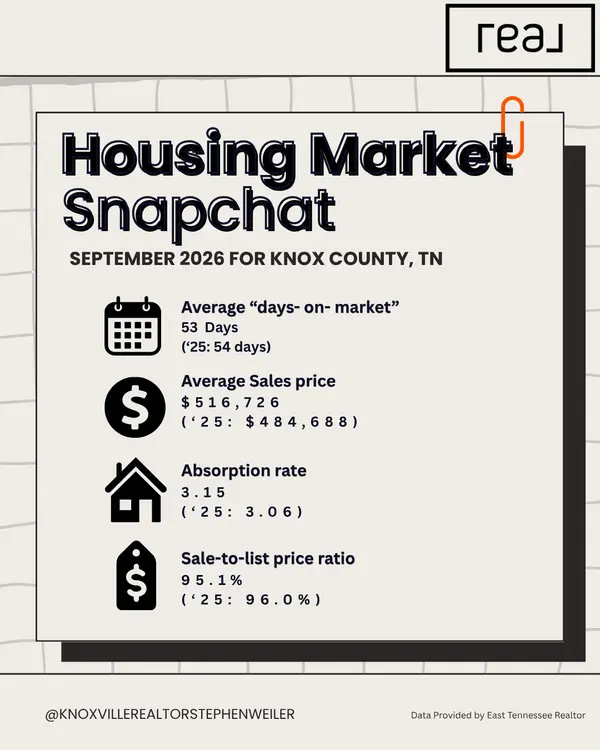
Monthly Market Update: September '26

How long does it take to build a new home if I sell my house today?

I’m Looking to Downsize in Knoxville, How Much Equity Can I Realistically Pull Out of My Current Home?

What Are the "Hidden Costs" of New Construction That Aren't in the Base Price?

What Are the Tax Implications (Capital Gains) of Selling After a Divorce?

Are Tennessee property taxes really as low as everyone says for new residents?

How do I prepare my Knox County home for a professional photo shoot?